Flying High: The Crucial Importance of Air Medic Services
In the field of emergency medical services, Air Medic Services stand out as a crucial component in preserving life and providing vital care. Such specialized air transportation systems are engineered to act promptly and efficiently in times of crisis, guaranteeing that patients receive the necessary medical attention as swiftly as needed. Whether it's a distant location that necessitates immediate evacuation or a busy urban center where traffic delays can create dangers, Air Medic Services offer an crucial solution.
The functions of Air Medic Services extend far beyond mere transportation. Equipped with advanced medical technology and staffed by expert healthcare professionals, these capabilities bridge the divide between the emergency scene and the right medical facilities. By harnessing the speed and agility of air travel, they not only enhance the probability of recovery but also elevate the quality of care for patients faced with critical conditions. As we investigate the essential role of Air Medic Services, it becomes clear that their impact reaches far beyond the skies, deeply affecting the landscape of emergency medicine. spintax #### Summary about Air Medic Services
Air Medic Services hold a vital role in emergency medical care, providing swift transportation for critically ill or injured patients. These expert air ambulances are equipped with state-of-the-art medical equipment and occupied by trained medical personnel, including doctors and paramedics. Their primary mission is to ensure that patients receive prompt medical attention, especially in situations where ground transportation may be hindered or unfeasible due to distance or traffic conditions.
The need for Air Medic Services is particularly evident in rural areas where traditional medical facilities may be far away. By utilizing helicopters or fixed-wing aircraft, these services can connect between patients and healthcare facilities. This is crucial for conditions that require urgent intervention, such as critical trauma, heart attacks, or strokes. The ability to swiftly transfer patients can significantly enhance survival rates and outcomes.
In moreover to urgent response, Air Medic Services also facilitate hospital-to-hospital transfers. Patients requiring specific medical care may need to be transferred from one facility to another, and air ambulances provide a quick and timely means of transport. This service is critical for ensuring that patients have access to innovative treatments and specialists, consequently improving their chances of recovery. Overall, Air Medic Services are a lifeline that emphasizes the significance of immediate medical response in urgent situations.
Operational Issues and Remedies
Air Medic Services encounter numerous functional obstacles that can affect their efficiency and efficiency. A key obstacle is the unpredictability of climatic conditions, which can hinder flight paths and postpone responses. Adverse weather, such as storms or haze, not just makes difficult the management of air transport but can also threaten the safety of patient safety. To tackle AC service Cape Coral , Air Medic Services have invested in advanced meteorological systems and trained personnel to observe weather patterns intensively. This proactive approach ensures that actions are made based on current data, allowing for varied scheduling when necessary.
Another significant challenge is the availability of qualified medical personnel during critical missions. Air Medic Services often function in rural locations where specialized medical professionals may not be readily available. This can prolong patient transport and undermine care quality. To lessen this issue, many services leverage telemedicine technology, allowing on-site medical staff to communicate with specialists before and during a flight. By making use of remote medical expertise, Air Medic Services can stabilize patients more effectively and guarantee that they receive the required interventions en route to medical facilities.
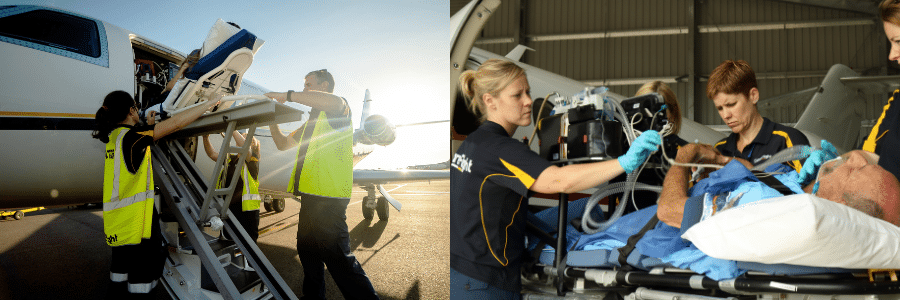
Resource allocation poses yet another difficulty for Air Medic Services. The demand for planes, gear, and skilled staff must be carefully balanced to meet different demand levels. High overhead can burden budgets, especially in localities with restricted financial resources for emergency services. To overcome this issue, some Air Medic Services are creating partnerships with community hospitals and governments to share resources and funding. These cooperations not only improve service capacity but also encourage community support, guaranteeing that high-quality care is consistently available to those in need.
Future Trends in Air Medic Services
With ongoing technological advancements, the prospects of air medic services is set for significant transformation. One key trend is the incorporation of advanced medical devices and telemedicine capabilities on air ambulances. This will allow medical personnel to perform complex procedures en route to hospitals, improving patient outcomes. The use of portable diagnostic equipment will enable paramedics to monitor vital signs more effectively, providing immediate data to receiving hospitals before arrival.
A further important trend is the expansion of unmanned aerial vehicles, or drones, in air medic services. These drones could be utilized for rapid delivery of medical supplies, such as blood supplies or defibrillators, to isolated or inaccessible areas. By minimizing transport time for essential medical materials, drones will improve the overall response times of emergency medical services, potentially saving more lives during critical situations.
In conclusion, there is a growing emphasis on training and education for air medic personnel. As the field evolves, ongoing professional development will become crucial to keep healthcare providers up to date with the latest practices and technologies. Enhanced training programs will concentrate not only on medical skills but also on navigating complex environments and coordinating with other emergency services. This holistic approach will ensure that air medic teams are prepared to tackle future challenges effectively.